Working on confined or congested sites presents a unique set of challenges for construction teams. Limited space means every movement, piece of equipment, and lift must be meticulously planned to ensure the project runs smoothly.
Crane hire in such environments demands a combination of precision, skill, and the right machinery to get the job done safely and efficiently.
As urban development continues to expand, these compact sites are becoming increasingly common.
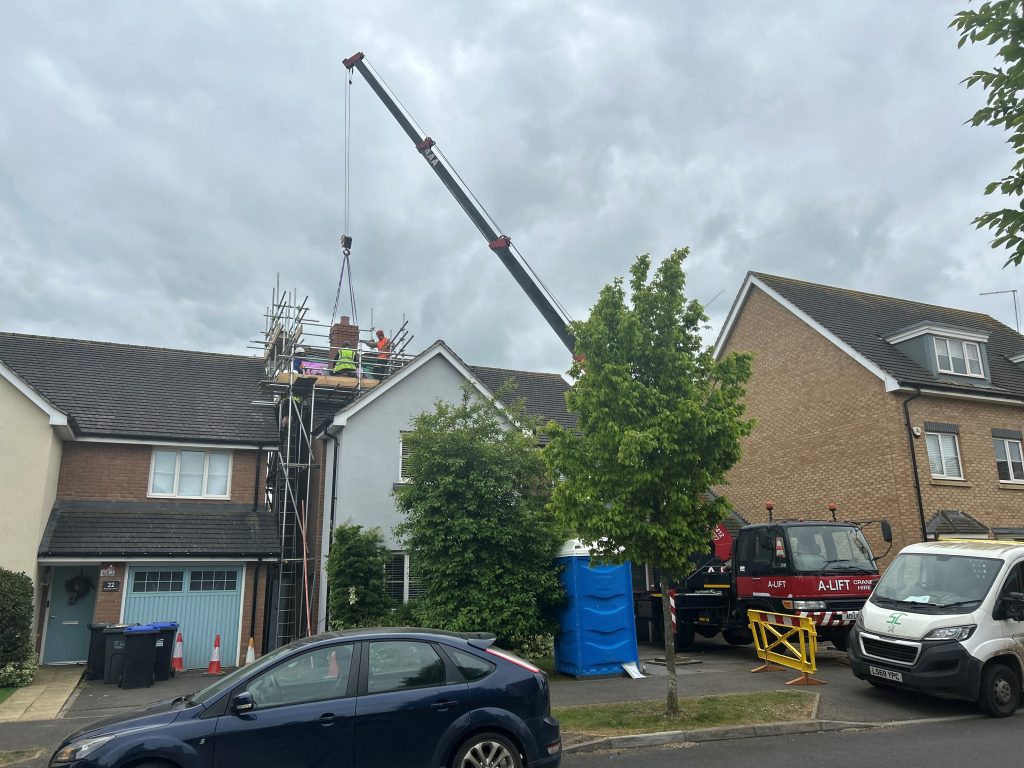
Whether it’s a housing development tucked within a busy street or an industrial plant with restricted access, space constraints can make lifting operations complex.
However, with careful planning and the right crane hire partner, even the tightest sites can be handled with remarkable efficiency.
Understanding Small Footprint Sites
A small footprint site typically refers to an area where access and manoeuvrability are limited. These could be urban locations surrounded by existing buildings, narrow residential plots, or industrial zones packed with equipment.
Such environments leave very little room for large vehicles or extensive crane setups, demanding specialised solutions.
These sites require not only compact machinery but also operators skilled in precision lifting.
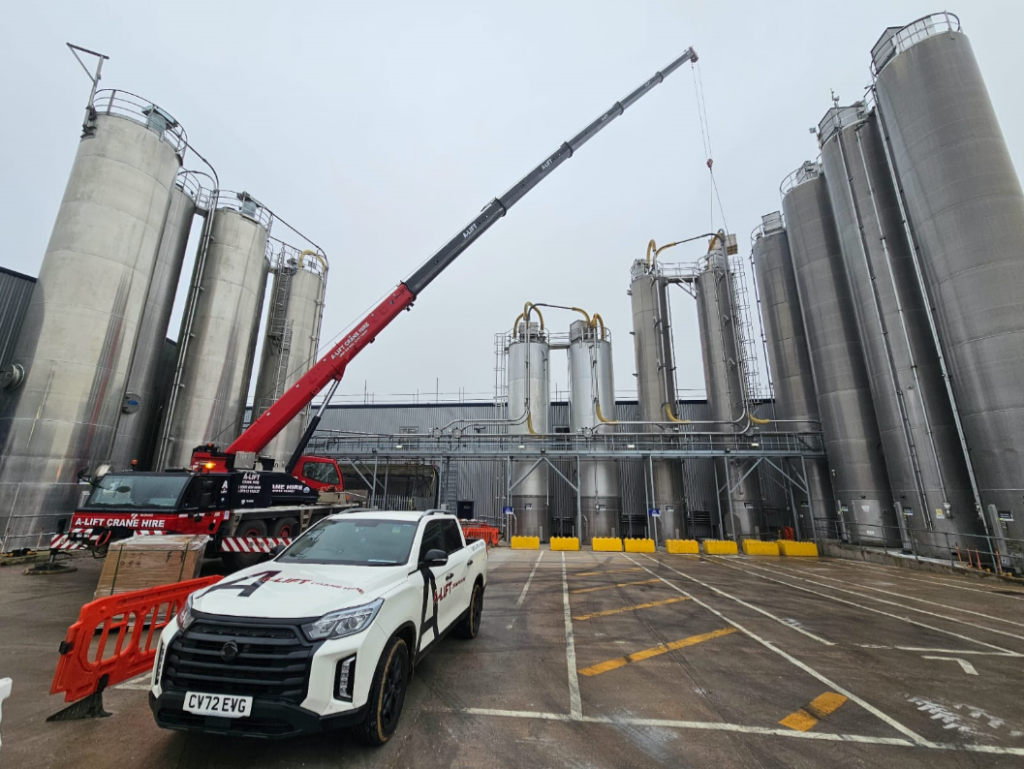
Common examples include installing air conditioning units on rooftops, moving plant machinery within factories, or conducting maintenance in restricted yard spaces.
Recognising the limitations early allows for better planning and the selection of equipment suited to the space.
Choosing the Right Crane for the Job
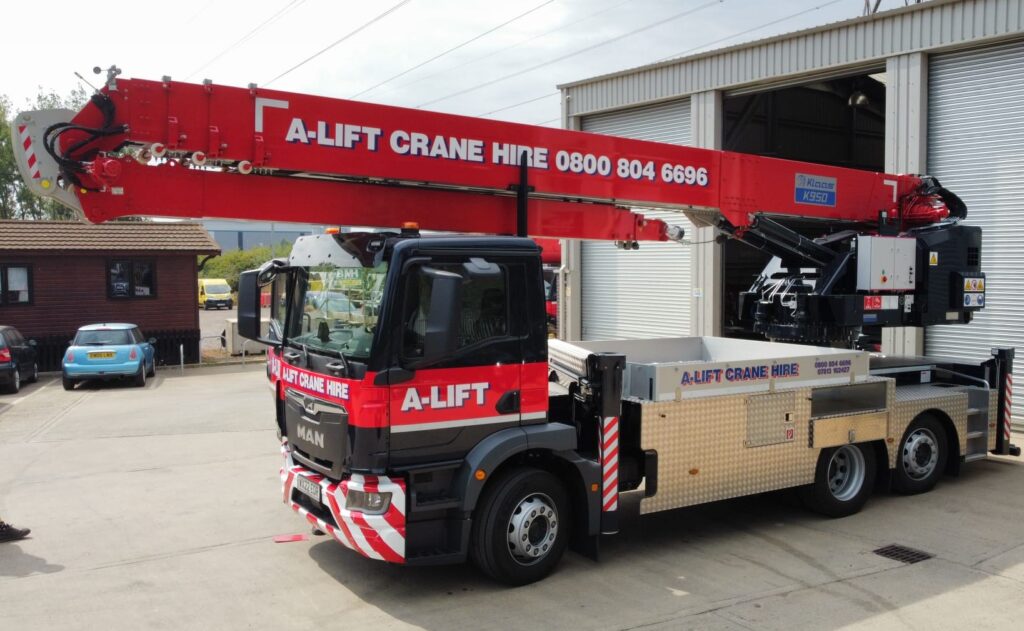
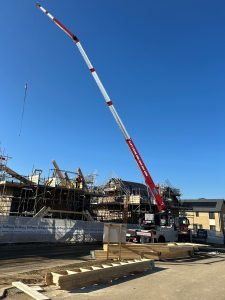
Selecting the correct crane is crucial when operating in tight spaces. Compact mobile cranes, spider cranes, and mini crawler cranes are all designed to deliver powerful lifting capabilities while occupying minimal ground area.
Their smaller size and flexible configurations make them ideal for manoeuvring through narrow entrances or setting up on uneven terrain.
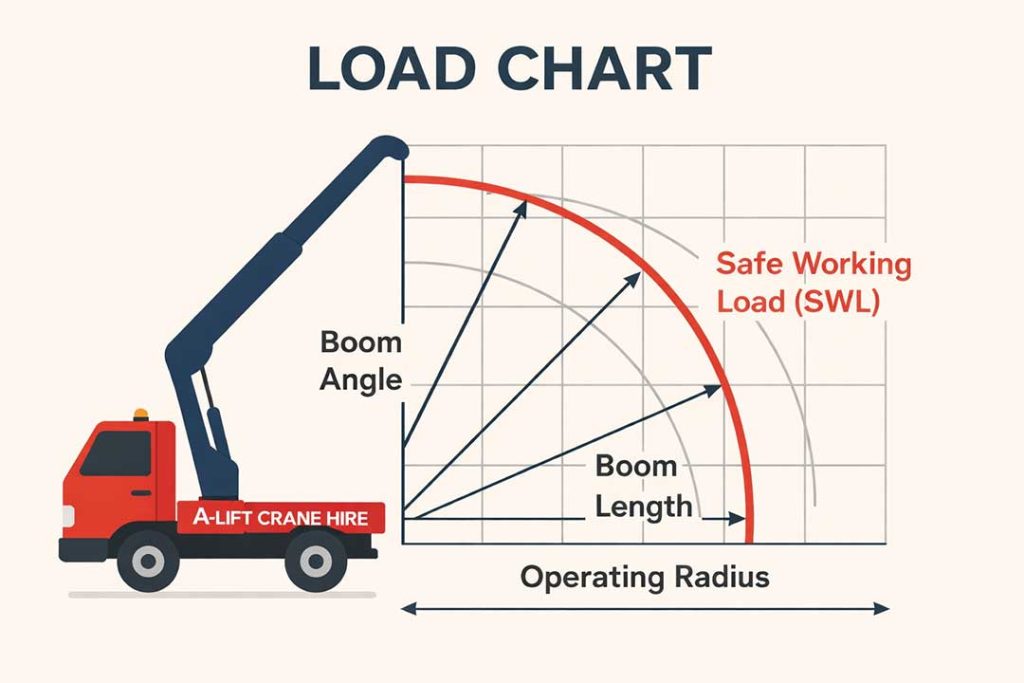
Each job demands careful assessment of lifting capacity, boom reach, and setup requirements. Choosing a crane that fits the site conditions not only enhances efficiency but also reduces safety risks.
Professional crane hire firms can provide tailored advice, ensuring that the right machine is matched to the specific lifting challenge.
Site Assessment and Planning
A thorough site assessment is the foundation of any successful lifting operation in confined spaces. Understanding ground conditions, access points, and surrounding structures helps prevent costly delays and unexpected hazards.
A detailed survey allows for precise crane positioning and ensures there’s adequate space for setup, operation, and dismantling.
Planning also includes considering external factors such as traffic management, overhead cables, and nearby buildings.
By addressing these elements early, site managers can avoid last-minute issues and coordinate the efficient delivery of equipment. This proactive approach is key to maintaining both safety and productivity.
Coordination and Communication
Smooth communication between all parties involved is essential on small footprint sites. Crane operators, site managers, and contractors must work in harmony, following a well-structured lift plan.
Clear communication ensures everyone understands their role, minimises confusion, and allows for swift decision-making during the operation.
Regular briefings and safety meetings before the lift take place help set expectations and identify potential issues.
When everyone is aligned on timing, responsibilities, and safety measures, operations become significantly more efficient, resulting in reduced downtime and fewer costly mistakes.
Efficient Setup and Dismantling
Efficiency doesn’t end with lifting; it starts from the moment the crane arrives on site. Preparing the ground, clearing obstacles, and ensuring access routes are ready all contribute to a faster, smoother setup.
Using modular or easily assembled equipment can significantly reduce installation time, keeping the project on schedule.
Similarly, efficient dismantling is just as important, particularly in areas where time and space are limited.
Coordinated planning ensures that the crane and associated equipment can be removed quickly and safely, allowing the site to return to normal operations without unnecessary disruption.
Safety Considerations in Confined Areas
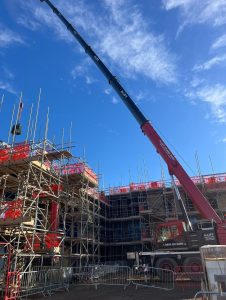
Safety must always remain the top priority, especially when operating in restricted environments. Limited space can make it difficult to maintain exclusion zones or avoid nearby hazards, so extra caution is required.
Planning the load path carefully helps prevent collisions, while using spotters can improve operator visibility during complex lifts.
Regular safety checks and adherence to lifting regulations ensure that both personnel and property remain protected.
Using certified operators and well-maintained equipment significantly reduces risks, giving peace of mind that every lift is performed under the highest safety standards.
Leveraging Technology and Expertise
Modern technology has made lifting in confined spaces far more efficient. Remote control systems allow operators to position cranes with millimetre precision, while digital sensors provide real-time data on load stability.
Advanced stabilising systems also make it possible to lift heavier loads safely, even on uneven or limited ground.
However, technology is only as effective as the people using it. Experienced operators and engineers bring the expertise needed to handle complex situations with confidence.
Partnering with a reputable crane hire company ensures that both the machinery and the personnel are equipped to deliver reliable, efficient results on every lift.
Conclusion
Operating in tight spaces may seem daunting, but with the right planning, equipment, and expertise, it can be done efficiently and safely.
A combination of careful site assessment, strong communication, and modern crane technology allows even the smallest sites to achieve big results.
Choosing a professional crane hire company, such as A-Lift Crane Hire, can make all the difference.
Their experience, precision equipment, and commitment to safety help ensure that every lift, no matter how confined the space, is completed efficiently and successfully.