If you need a crane but do not routinely organise lifting operations, the biggest question is often not the crane size. It is who takes responsibility for planning, supervising and carrying out the lift safely.
A CPA contract lift is designed for exactly that situation. It gives customers access to expert lift planning and site control, with the crane hire provider managing defined responsibilities under agreed contract conditions.
What a CPA contract lift means in practice
Under CPA terms, there is an important difference between standard crane hire and a contract lift. With standard CPA crane hire, the customer normally takes responsibility for planning the lift, appointing competent personnel, supervising the operation and arranging the relevant insurance. That can be suitable for organisations with their own appointed person, lift plans and in-house lifting expertise.
With a CPA contract lift service, the crane hire provider takes on the lift planning and management duties set out in the agreement. This typically includes assessing the lifting task, selecting a suitable mobile crane and lifting equipment, producing the lift plan and providing competent people to supervise and carry out the operation.
In simple terms, a contract lift is for customers who want the lift arranged by specialists rather than managing the technical lifting responsibilities themselves.

Who is responsible for what?
In a CPA contract lift, the crane hire provider accepts responsibility for the aspects of the lifting operation it has agreed to plan and control. This is why accurate information at the start is so important. The provider can only plan safely around the load, site and working conditions it is told about or can assess.
The crane hire provider will usually be responsible for:
- Appointing a competent appointed person to plan the lift.
- Preparing the lift plan, method statement and risk assessment for the crane operation.
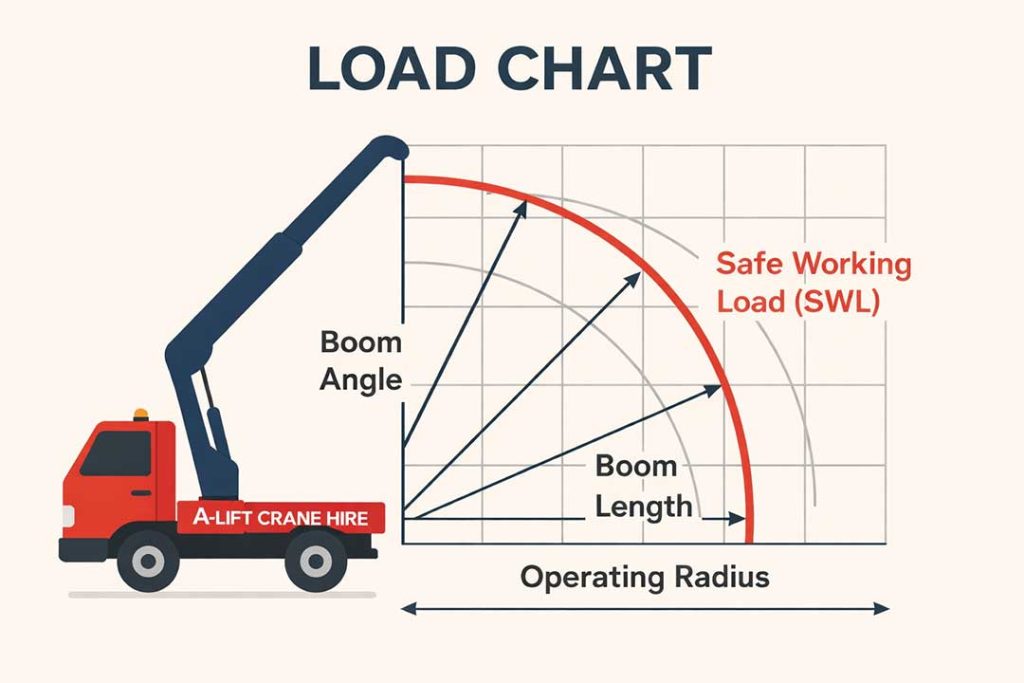
- Selecting the appropriate crane and lifting accessories for the load, radius and working environment.
- Providing competent lifting personnel, such as the crane operator, crane supervisor and slinger/signaller, where included in the contract.
- Managing the lifting operation in line with the agreed plan and safe system of work.
The customer still has important responsibilities. These commonly include giving accurate load details, confirming site access, sharing information about ground conditions, identifying underground or overhead hazards, arranging permissions where needed and keeping the work area clear of unrelated activity. Wider legal duties may also remain with the person or organisation in control of the site.
For comparison, CPA crane hire places far more of the planning, supervision and insurance responsibility on the customer. Choosing the right route at the outset helps everyone understand their role before the crane arrives.

The key roles on a contract lift
A safe contract lift is not just about the crane. It depends on competent people carrying out clearly defined roles.
- The appointed person plans the lifting operation, considers the risks and produces the safe system of work.
- The crane supervisor manages the lifting operation on site and checks that the plan is followed.
- The crane operator operates the mobile crane within its rated capacity and in line with the lift plan.
- The slinger/signaller attaches the load correctly and gives agreed signals to the operator.
- The customer or site contact helps coordinate site access, confirms practical details and communicates any changes that may affect the lift.
These roles reduce uncertainty. Everyone involved should know what is being lifted, where it is going, how it will be controlled and when the lift should stop for reassessment.

Information customers should provide before the lift
The earlier a crane hire provider receives accurate information, the more effectively the lift can be planned. Even when the provider is taking responsibility for the lift plan, the customer’s knowledge of the load and site is essential.
Useful information includes:
- The weight, dimensions and centre of gravity of the load, if known.
- Any lifting points, fragility issues or manufacturer handling instructions.
- The pick-up point, landing position and approximate lifting radius.
- Access details for the crane, support vehicles and lifting team.
- Ground conditions, voids, cellars, ducts, drains or other hidden risks.
- Overhead restrictions, nearby structures, public interfaces or restricted working areas.
- Preferred timing and any site rules that may affect the operation.
Photographs, drawings and site plans can also be helpful. If information changes after the lift has been planned, it should be raised promptly so the plan can be reviewed before work continues.

How the lift plan supports safe delivery
The lift plan turns the lifting requirement into a controlled operation. It will consider the load, crane configuration, lifting accessories, outrigger positions, ground bearing requirements, exclusion zones, communications and weather limitations. For more complex lifts, the appointed person may also consider sequencing, temporary works interfaces or alternative methods.
On the day of the lift, the team should brief the plan, check the work area and confirm that conditions match what has been planned. If something significant is different, the right response is not to improvise; it is to pause, reassess and update the plan where necessary.
A contract lift is often the right choice when the customer does not have their own lifting expertise, when the lift involves an unusual load, or when clear professional control is needed across several parties on site. It provides a structured route for getting the lift planned, supervised and completed by people who do this work every day.
- A CPA contract lift places agreed lift planning and management responsibilities with the crane hire provider.
- The customer must still provide accurate load, access and site information.
- Competent roles such as the appointed person, crane supervisor and slinger/signaller are central to safe delivery.
- If your organisation has its own lifting expertise, standard CPA crane hire may be more suitable.
Frequently asked questions
Does a CPA contract lift remove all responsibility from the customer?
No. The crane hire provider manages the agreed lifting responsibilities, but the customer must still provide accurate information and manage site matters under their control.
Who writes the lift plan for a contract lift?
The crane hire provider normally appoints a competent appointed person to prepare the lift plan, risk assessment and method statement.
What happens if site conditions change on the day?
The lifting team should pause and reassess. If the change affects the planned lift, the plan must be reviewed before the operation continues.
When should I choose CPA crane hire instead?
CPA crane hire may suit customers with their own competent appointed person, lift plan, supervision arrangements and suitable insurance in place.
Need help planning a lift?
Speak to A-Lift Crane Hire about whether a CPA contract lift is the right approach for your lifting operation.