Crane operators are more than just the blokes who drive heavy machinery; they are the professionals who make sure complex lifts happen safely and efficiently.
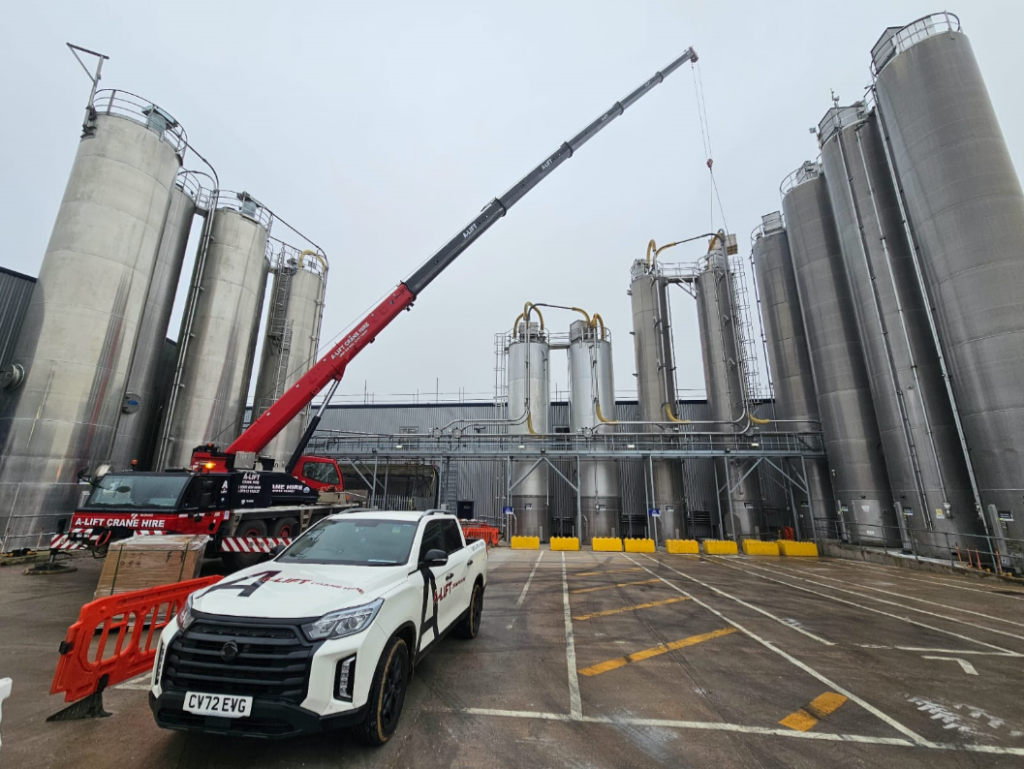
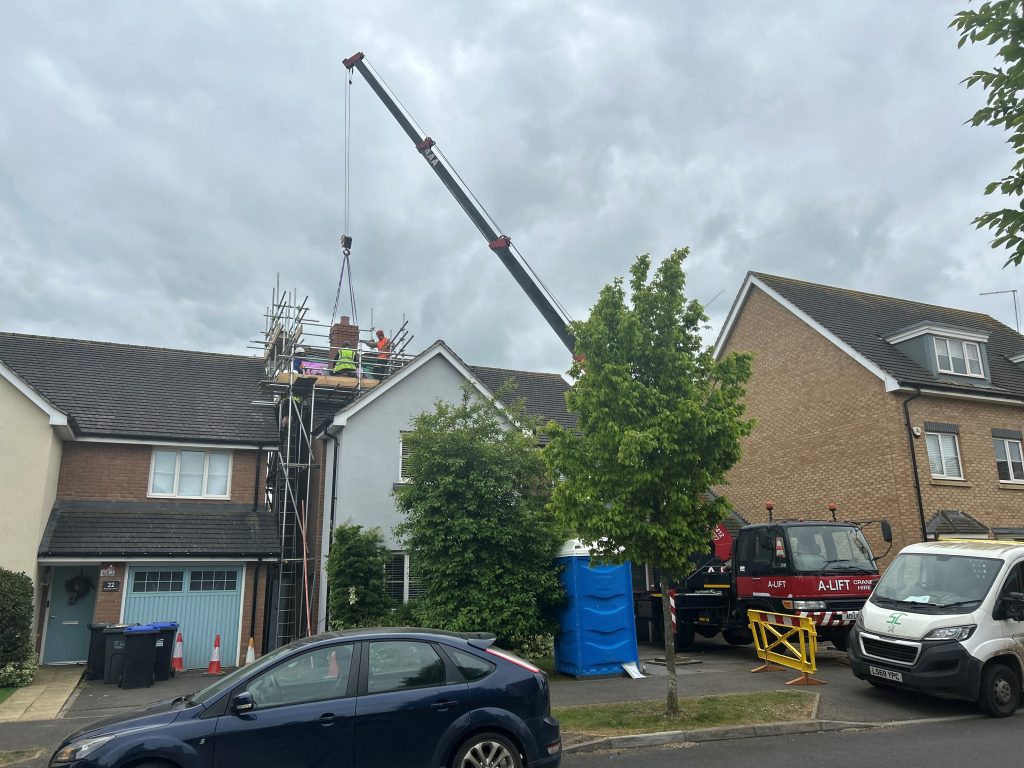
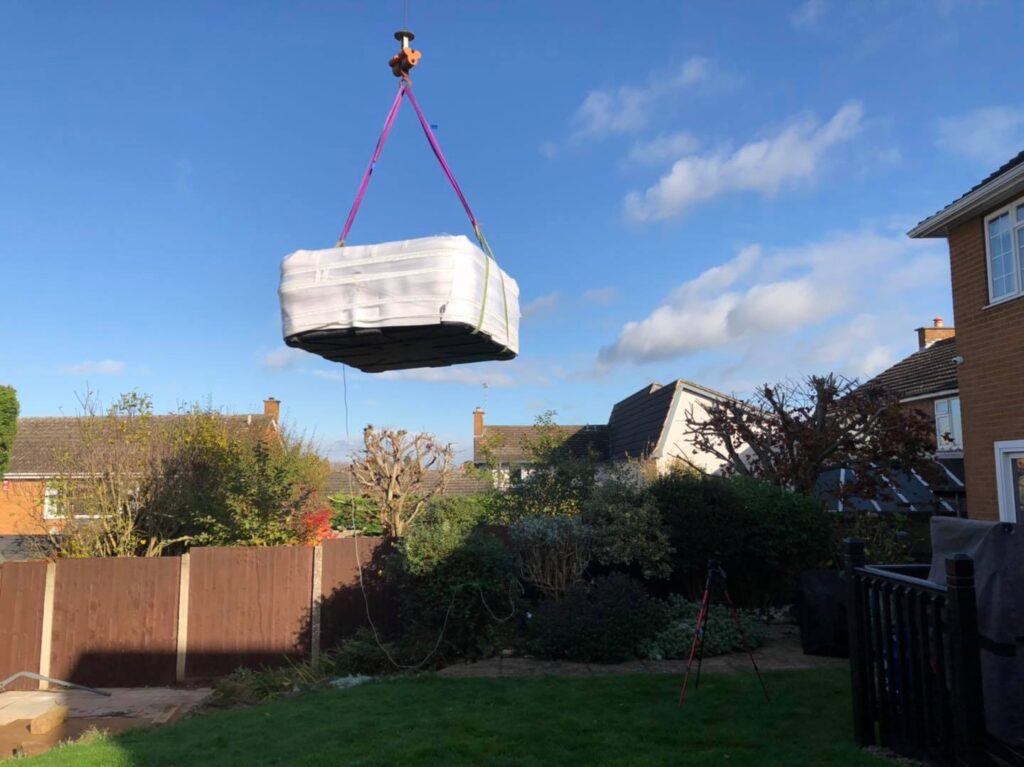
Whether it’s moving construction materials on a big commercial site or lifting large garden ornaments into a back garden at a house, they’re the ones who can make all the difference between a job running smoothly and a costly mess.
It’s not just a matter of precision, either – it’s also about attention to detail, and that’s why the industry puts such a big emphasis on proper training and getting certified.
While it might be tempting to think that any old labourer with some experience can handle a crane, the reality is that certified operators bring a whole different level of knowledge and skill that’s not just about being good at a particular job.
Certification is the sign that an operator has a proper understanding of safety regulations, can spot potential risks and is good with all sorts of different cranes. For clients, this is a real reassurance, reducing stress and giving them more confidence in the project.
What Certification Means for Crane Operators
In the UK, there are a few well recognised certifications that prove a crane operator is competent. The Construction Plant Competence Scheme (CPCS) and National Plant Operators Registration Scheme (NPORS) are the ones that most people have heard of.
These qualifications have both a theoretical and practical test, covering bits like operating the machinery, being aware of potential hazards and emergency procedures. Passing your certification proves that an operator meets the agreed standards across the whole industry – not just that they’ve learned on the job.
But it’s not just about the technical bits, either – certification also shows that an operator is a proper professional, trained to follow strict rules and make decisions under pressure. This means that lifts get done methodically and safely, even when things get a bit tricky.
For the operator, getting certified opens up more interesting projects and more responsibility, while for the client, it gives confidence that the person in charge of the crane is properly qualified and reliable.
Legal and Safety Implications
UK law is pretty clear on the responsibilities of people involved in lifting operations. The Lifting Operations and Lifting Equipment Regulations (LoLER) say that anyone operating a crane needs to be properly trained and competent.
Not using certified operators can have serious consequences, like fines and being liable for accidents. So, certification isn’t just a nice-to-have – it’s a legal safety net for operators and clients alike.
Safety is just as important. Uncertified operators may not know how to spot potential risks or work out the load weights – let alone respond to an unexpected problem on the site.
This can lead to equipment damage, injuries or worse. Using certified operators cuts down on these risks, helping to keep the project running without unnecessary delays or safety incidents.
How Certification Benefits Clients
For clients, hiring certified crane operators can make the whole project run a lot more smoothly.
Operators with proper training know the importance of planning the lift, preparing the site and following safety procedures.
This can mean that the job gets done quicker and with less disruption – and fewer errors. Clients can also avoid unexpected costs because of accidents or insurance claims caused by cowboys.
Certified operators also give clients peace of mind. Knowing that the person running the crane is up to the job lets them get on with the rest of the project – whether that’s coordinating tradespeople or managing the timeline.
It’s not just about following the rules – it’s about confidence in the team and knowing the lift will be handled properly from start to finish.
Choosing a Crane Hire Company
When hiring a crane, it’s worth taking a minute or two to check the operator’s qualifications. Ask the company about CPCS or NPORS accreditation and ask to see some proof if necessary.
Reputable crane hire firms will be transparent about their staff’s credentials and happy to explain the standards their operators meet.
It’s also worth thinking about how certification affects project planning and costs. While certified operators may cost a bit more, the benefits usually outweigh the extra expense.
Reduced risk of delays, damage or legal issues makes hiring certified personnel a sensible investment – not just a luxury.
Conclusion
Certified crane operators are the key to safety, legal compliance and project efficiency. Their training means they’re equipped to handle complex lifts, anticipate problems and protect both people and property.
Choosing qualified crane operators isn’t just about following regulations – it’s about reducing risk and giving yourself peace of mind.
For anyone planning a lift, putting certified operators at the top of the list is a decision that will save time, money and stress.
Whether it’s in a domestic or commercial setting, the reassurance of a trained professional at the controls makes all the difference – and gives you confidence that the job will get done safely and on time.