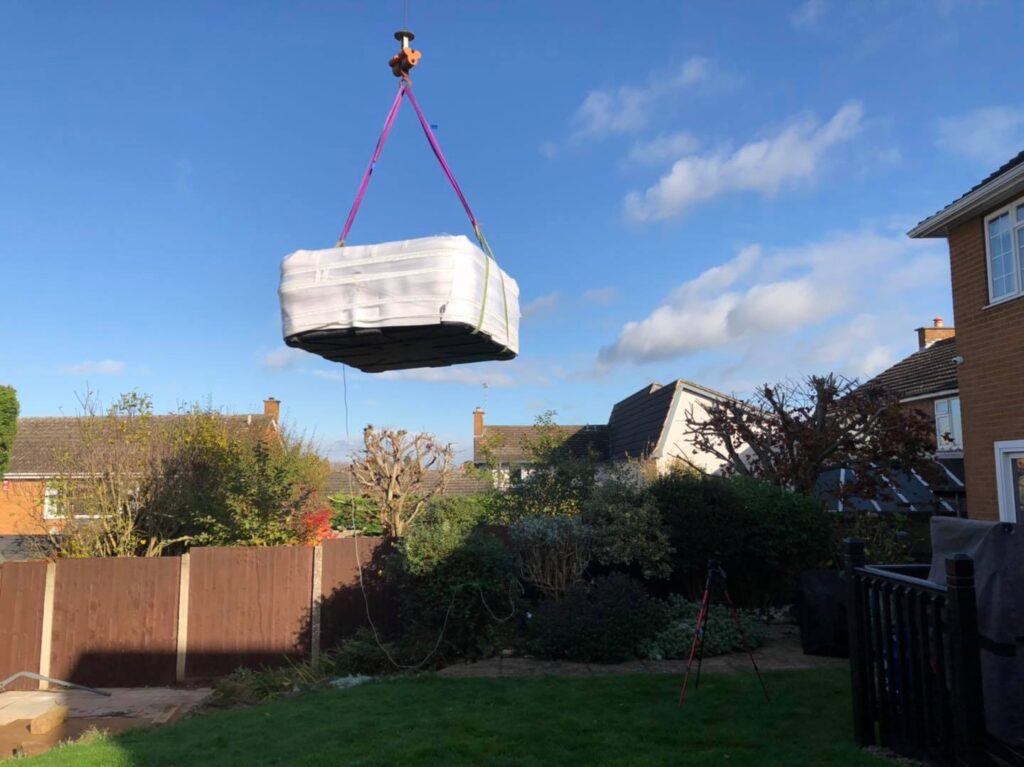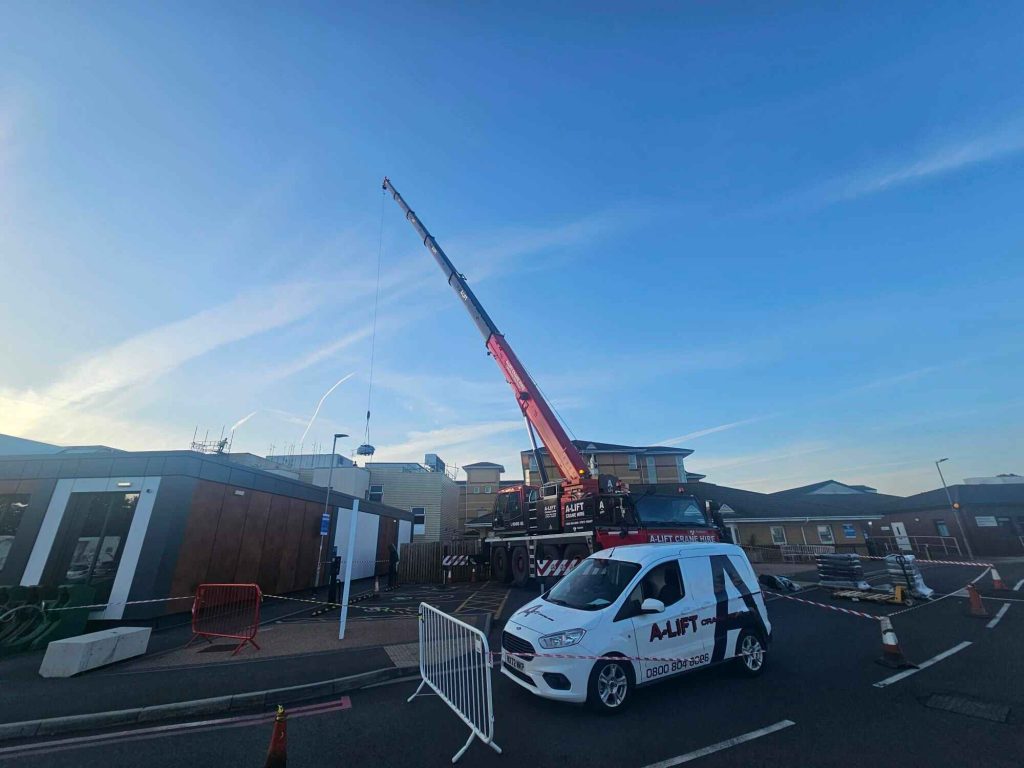
Cranes play a big part in construction, infrastructure and various industrial sectors across the UK. Whether it’s lifting heavy materials onto roofs or moving large components into place, cranes are an essential tool on many sites.
But with great power comes great responsibility, so trained and competent operators are vital.
Operator training ensures those in control of these machines can do so safely, efficiently and in line with regulations. From preventing costly accidents to improving site productivity, proper training is the key to every lift.
In this blog, we’ll look at why training is not just beneficial but essential for anyone involved in crane operations.
Legal Requirements and Industry Standards
In the UK, crane operators must comply with several safety laws and industry standards to minimise risk. Regulations such as the Lifting Operations and Lifting Equipment Regulations 1998 (LOLER) and the Provision and Use of Work Equipment Regulations 1998 (PUWER) set out the legal requirements for employers and operators.
These include requirements for regular inspections, safe working practices and ensuring those operating lifting equipment are properly trained and competent.
Industry recognised qualifications such as those through the Construction Plant Competence Scheme (CPCS) prove an operator meets the required standards. Failure to comply with these regulations can result in heavy fines, project delays or even prosecution in the event of an accident.
Training ensures not only the safety of everyone on site but also that your business is compliant and protected by the law.
Safety First: Reducing the Risk of Accidents
Crane-related incidents can be devastating, from serious injury to loss of life. Many of these accidents are due to human error – mistakes that could have been avoided with the right training.
A trained operator can recognise and avoid hazards, understand load limits and follow proper lifting procedures.
Training also prepares operators to respond in emergencies, whether it’s equipment failure or unexpected weather changes. With lives and livelihoods at stake safety should always be the number one priority – and training is the first line of defence.
The Health and Safety Executive (HSE) consistently highlight training and competence as key factors in reducing workplace accidents.
Efficiency and Productivity Gains
A trained crane operator can lift faster, more accurately and with more confidence.
This means fewer mistakes, less time correcting errors and smoother coordination with ground crews and other trades. Over the project, these efficiency gains can add up to big time and cost savings.
Plus, experienced operators are better at planning lifts, understanding the job requirements and adapting to site-specific conditions.
They can anticipate problems before they arise and keep the project moving. Training isn’t just about safety – it’s about getting the most out of your workforce and keeping things running like clockwork.
Protection of Equipment and Materials
Cranes are a big investment, and mishandling them can result in costly repairs or even total equipment failure.
Trained operators know how to use the machinery properly and reduce the strain on components and wear and tear. This not only extends the life of your equipment but also keeps it reliable throughout the job.
Similarly, lifting heavy materials incorrectly can damage goods, increase wastage and cost.
A well-trained operator knows how to rig loads correctly, monitor the crane’s performance and prevent sudden movements or collisions. Protecting both equipment and materials saves time, money and frustration.
Site Morale and Professionalism
When operators are trained, it creates a safer and more confident working environment for everyone on site.
Colleagues can trust that lifts will be carried out smoothly and predictably without unnecessary risk or disruption. This boosts morale and keeps the job professional.
Plus, hiring qualified operators reflects well on your business. Clients and contractors will trust and work with companies that show a strong commitment to safety and quality.
By training, you’re not just protecting your staff and assets – you’re also building a strong reputation in the industry.
Ongoing Training and Certification
Crane operation is not a static skill. As technology evolves and regulations change, ongoing training is essential to stay up to date. Refresher courses and advanced certifications allow operators to remain compliant and continue to perform at the highest standard.
It’s also an opportunity to expand their skills with new equipment types or lifting techniques.
Choose a reputable training provider. Look for those accredited by recognised bodies and offering practical hands-on experience.
Training long-term benefits individual operators but also the team as a whole. It’s a smart move for any business serious about long-term success.
Conclusion
Training is the foundation of safe and efficient crane operation. It’s compliance, it prevents accidents and boosts productivity and morale on site.
In a high-risk industry like construction, there’s no room for compromise when it comes to competence and safety.
By investing in quality training and development, companies can protect their people, their equipment and their reputation.
It’s a decision that pays off in the short and long term – one lift at a time.