Why a Site Survey is Required Before a Crane Lift
There are several key reasons a site survey visit is required before a crane goes to the site to carry out a required lift. These include:
Identifying Potential Hazards
Identifying any form of potential hazard(s) and ensuring the hazard(s) can be removed or precautions can be put in place to prevent the hazard from stopping the required work taking place.
Legal Requirement for a Lift Plan
It is a legal requirement to survey and put a Lift Plan in place before completing a Contract Lift crane hire to ensure the lift is adequately planned and to eliminate or mitigate any identified risks wherever possible before lifting.
Ensuring Safety for Workers and the Public
To ensure the safety of other workers and the general public where applicable, survey the area where the lift will be carried out and ensure adequate protection is put in place to segregate the lift zone.
Selecting the Correct Crane
To determine the correct crane for the job which will maximise the crane utilisation.
Assessing Equipment Requirements
To determine the correct size crane mats required, alongside any additional lifting equipment.
Checking Site Accessibility
To check the selected crane will be able to access the required location.
Conducting a Site Survey
Importance of a Competent Person
A site visit is a full inspection of the site. This must be completed by a competent person. A competent person is usually someone who has completed the CPCS Appointed Person course and has the necessary skill set, knowledge and experience to plan the lift operation.
Key Aspects Checked During a Site Survey
The following things will be checked while on the site survey:
- Access and Egress to the lifting area.
- If the crane will be blocking anything whilst on site.
- Roads or suitable access to the lift location.
- Weight and dimension of the load.
- Lifting points or how the load can be lifted.
- Obstructions on the ground such as drains or underground services or above the ground such as phones, electric lines trees or any buildings which the crane may need to oversail.
Post-Survey Actions
Hazard Management and Lift Planning
Following the site survey, the Appointed Person will be required to ensure that any of the identified hazards can be removed or minimised to an acceptable level, to enable the job to take place safely. Once it is determined that all the hazards can be minimised or removed, the Appointed Person can continue to the drawing stage.
Capturing Site Information
To assist in the lift plan drawing, the Appointed Person will take photos during the site visit and ask all the required questions of the client or other site personnel. Having photos can also greatly assist when completing the rigging drawing.
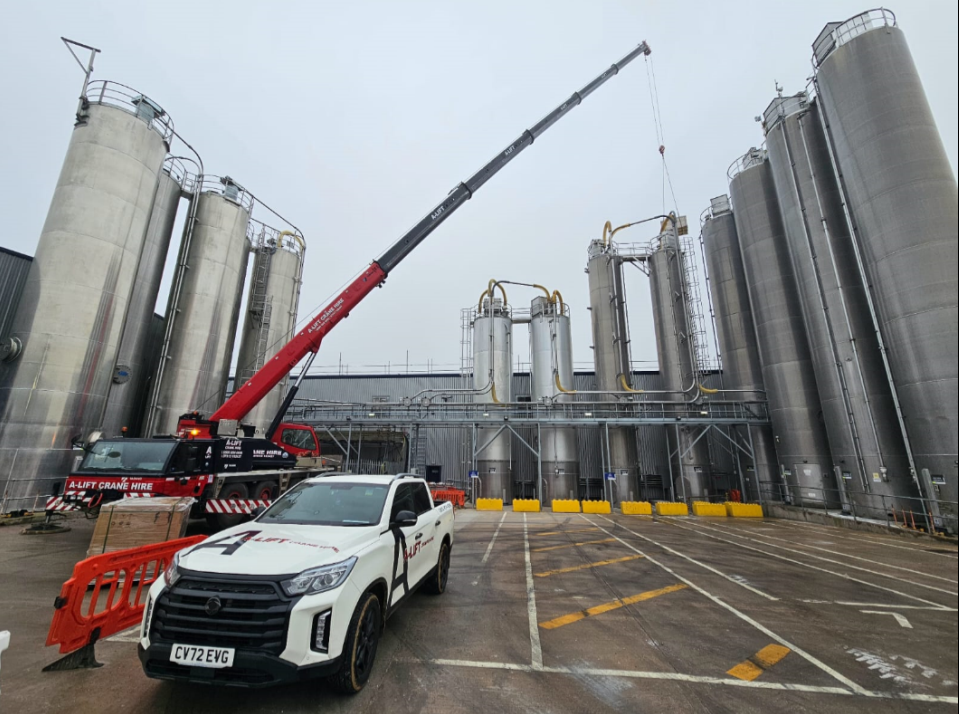
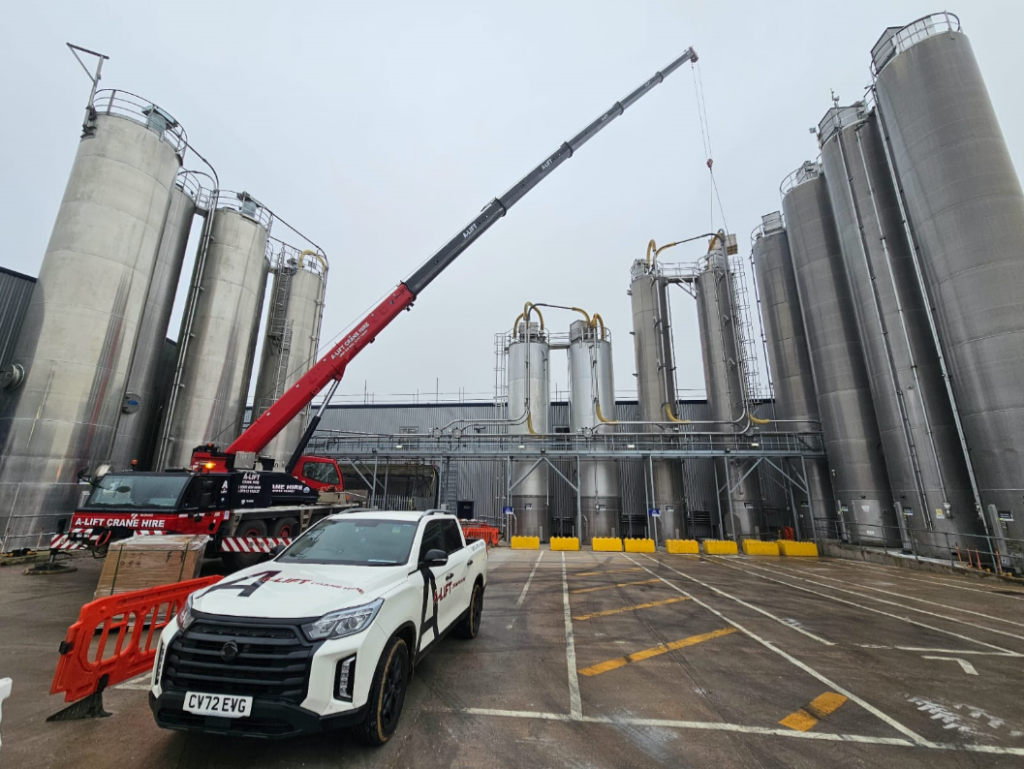
Example: Lift Planning for a Job in Leicestershire
Identified Hazards on This Job
Some of the hazards identified on this job were as follows:
- Silo’s
- Chemicals
- Sloping ground
- Fully working site with personnel present
- Working at height hazards
Creating the Lift Plan and RAMS
Alongside the lift plan drawings, a full method statement will be written up, including a risk assessment to address any hazards present. This Lift Plan, otherwise known as RAMS (Risk Assessment and Method Statement), is classed as a legal document and has to be followed by the lifting team when on-site carrying out the actual lift operation.
Lift Plan Details and Safety Measures
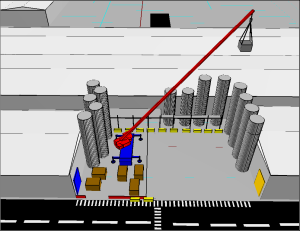
The lift plan drawings and RAMS will detail the crane specification and lifting equipment, alongside how any hazards will be minimised. In the example below a full exclusion zone was put in place, keeping the road access open but with necessary restrictions to protect the safety of site workers and members of the public.
Using 3D Drawings for Lift Planning
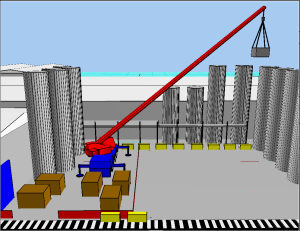
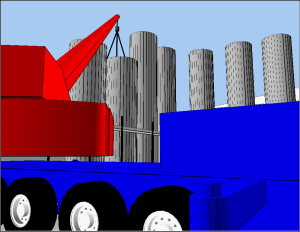
3D drawings help everyone to visualise what and where everything is meant to be when reviewing the lift plan before the job takes place, as shown by the examples below.
Documenting the Lift Process
Taking on-site photos on the day of the lift helps demonstrate that the job has been carried out by the lift plan and that the lifting operation is managed correctly.
Technology Used in Lift Planning
At A-Lift Crane Hire, our Appointed Persons utilise both KranXpert lifting software and AutoCAD to produce lift plan drawings, depending on the requirements and complexities of each job.
Contact A-Lift Crane Hire
For any lift requirements you may have, please do not hesitate to contact the team at A-Lift so that we can discuss your lift requirements and where a CPA Contract Lift will be required, carry out a site survey on your behalf to determine the requirements of the job.