A crane lift can look simple from a distance. A load is attached, raised, moved and placed. The safer reality is far more controlled, with planning, communication and clear separation built into every stage.
Exclusion zones are one of the most visible parts of that control. They help keep workers, customers and members of the public away from the areas where lifting activity could create risk, while allowing the crane team to focus on carrying out the lift safely and efficiently.
What is an exclusion zone during a crane lift?

An exclusion zone is a clearly defined area that people must not enter while lifting operations are being set up, carried out or stood down. It may surround the crane, the load, the route of the load, the working radius, the outrigger area, or any space where a person could be exposed to movement, suspended loads or operational equipment.
The size and shape of the zone depends on the lift. A compact lift with good access may need a different arrangement from a lift with restricted space, several trades nearby, public interfaces or a load that must travel across a longer path. The important point is that the zone is not guessed at on the day. It should come from the lift plan, the risk assessment and the conditions found during planning and site checks.
In professional crane hire and contract lifting, exclusion zones are part of a wider safe system of work. A Lift Crane Hire explains its wider approach to planning, compliance and operational control on its crane hire health and safety page, which is a useful place to understand how safety is treated as an operational standard rather than a bolt on extra.
Why keeping people separated matters
The main purpose of an exclusion zone is simple: people should not be where lifting hazards can reach them. During a crane lift, there may be moving machinery, stabilised lifting equipment, suspended loads, slewing movement, lifting accessories, banksman activity and changing ground level risks. Even when every part of the lift is carefully controlled, separation gives the team a vital safety margin.
One of the clearest rules in lifting operations is that people should be kept away from suspended loads unless their role requires controlled involvement. A load can move, rotate or settle as it is lifted and landed. Wind, load shape, slinging method and the route of travel can all affect how the load behaves. The exclusion zone helps prevent people from walking underneath, crossing the lifting path or stepping into a place where they could distract the team.
Separation also protects the lift itself. When unauthorised people enter a working area, the crane operator, lift supervisor, slinger and signaller may have to stop, reset communication and regain control of the area. A well managed exclusion zone reduces interruption and supports a calmer, more predictable operation.
How professional teams decide where the zone should be

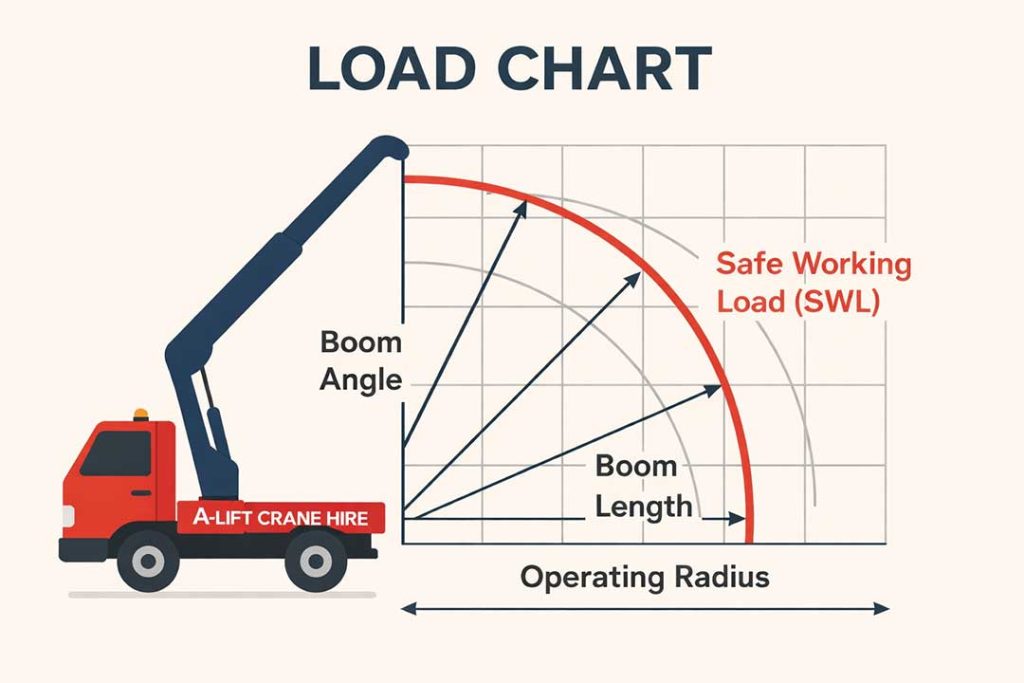
An exclusion zone should reflect the real lift, not a generic template. The appointed person or competent planner will consider the crane position, load weight, lifting radius, ground conditions, access, nearby structures, other site activity and any interface with customers or the public. The aim is to create a boundary that gives the crane team enough space to work safely and gives everyone else a clear instruction about where not to go.
On a contract lift, this planning responsibility is especially important because the crane company takes a broader role in planning and managing the lift. If a customer wants support beyond simple crane supply, the CPA contract lift service explains how planning, supervision and lift execution can be handled by an experienced crane hire team.
The zone may need to change as the lift progresses. For example, the area needed while rigging the crane may differ from the area needed when the load is in the air. If the lift involves several stages, the team may open and close areas in sequence so that separation remains practical without allowing confusion. The lift supervisor will normally control these changes and make sure that everyone involved understands the boundaries before the lift begins.
What makes an exclusion zone effective?
A boundary only works if people can see it, understand it and respect it. Good exclusion zones use a combination of planning, physical controls and clear communication. Barriers, cones, tape, signage, marshals and agreed access points can all play a part, depending on the nature of the job. The chosen method should suit the risk, the surrounding activity and the people likely to be nearby.
Communication is just as important as the barrier itself. Workers need to know when the zone is live, who can enter it, who controls access and what to do if they need to pass through. Customers may also need a simple explanation before the lift starts, especially if the work affects normal access, deliveries or nearby operations. The most effective approach is calm and direct. The zone is there to protect people, not to make the job feel complicated.
Equipment choice also matters. The right crane, accessories and lifting equipment help reduce unnecessary movement and support a controlled lifting path. Where lifting accessories are part of the plan, A Lift Crane Hire provides information about its lifting equipment, including the kind of support that helps a lift team match the method to the task.
How exclusion zones protect the public and customers

Not every lift takes place on a closed construction site. Some lifting operations happen near customer entrances, delivery routes, occupied premises or areas where people are not used to crane activity. In those situations, exclusion zones need to be especially clear because the people nearby may not understand the risks or the normal signals used by lifting teams.
A professional crane team will think about how people naturally move around the area. They may need to separate pedestrians from vehicles, provide a clear alternative route, prevent access to a loading area, or coordinate with the customer so that staff know when movement is restricted. The aim is not only to stop people entering the lift area, but to remove uncertainty about where they should go instead.
Weather can also affect how exclusion zones are managed. Wind, rain and poor visibility can influence load control, communication and ground conditions. The lift plan should account for weather limits and the team should be ready to pause if conditions change. For more detail on this part of crane safety, A Lift Crane Hire has a useful guide to weather conditions and crane operations.
The role of the crane team during the lift

Exclusion zones rely on people as much as barriers. The crane operator needs a controlled working area and clear signals. The lift supervisor needs authority to manage the operation. The slinger and signaller need enough space to attach, guide and land the load without people stepping into their path. Everyone involved must understand their role and follow the agreed method.
Before the lift begins, the team should brief the relevant people on the plan. That may include where the zone is, when it becomes active, who is permitted inside, how communication will work and what will happen if the area cannot be kept clear. If someone enters the zone without permission, the right response is to stop and regain control before continuing.
This is where a safety focused crane hire company adds real value. The visible barrier is only one part of the protection. Behind it sit planning, competent people, suitable equipment, supervision and the confidence to pause when conditions are not right. That is what separates a controlled lift from a lift that merely looks organised.
- Exclusion zones keep people away from crane movement, suspended loads and the planned load path.
- The zone should be based on the specific lift, including crane position, lifting radius, access, ground conditions and nearby activity.
- Clear barriers, signage, supervision and communication all help make the boundary effective.
- Customers and the public need simple, practical guidance so they know where they can safely move during lifting work.
- A professional crane team will pause or adjust the lift if the exclusion zone cannot be maintained.
Frequently asked questions
Who decides the exclusion zone for a crane lift?
The exclusion zone is normally decided during lift planning by a competent person, with input from the crane team and site representatives where needed. The lift supervisor then helps manage it during the operation.
Can anyone enter an exclusion zone if they are wearing PPE?
No. PPE does not make someone authorised to enter a lifting area. Only people who are needed for the lift and have been briefed on the method should enter, and only when it is safe to do so.
Does every crane lift need an exclusion zone?
Every lifting operation needs suitable control measures. In practice, some form of separation is usually needed wherever people could be affected by crane movement, suspended loads, equipment set up or the load path.
What happens if someone enters the exclusion zone during a lift?
The lift should be brought back under control. Depending on the situation, that may mean stopping the operation, warning the person away, resetting the boundary and confirming that the team is ready before continuing.
Plan safer lifting work
If you are arranging crane hire or a contract lift, A Lift Crane Hire can help plan a controlled lifting operation with the right people, equipment and safety measures in place.